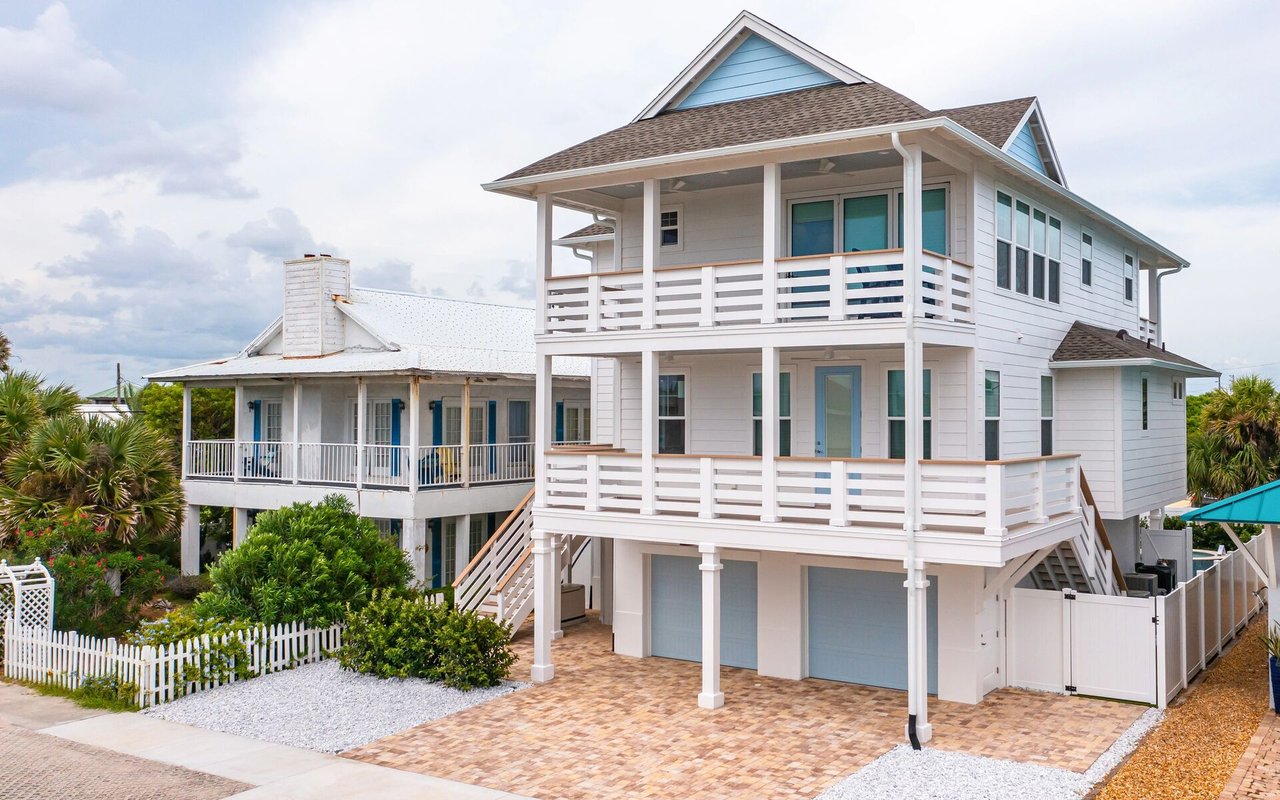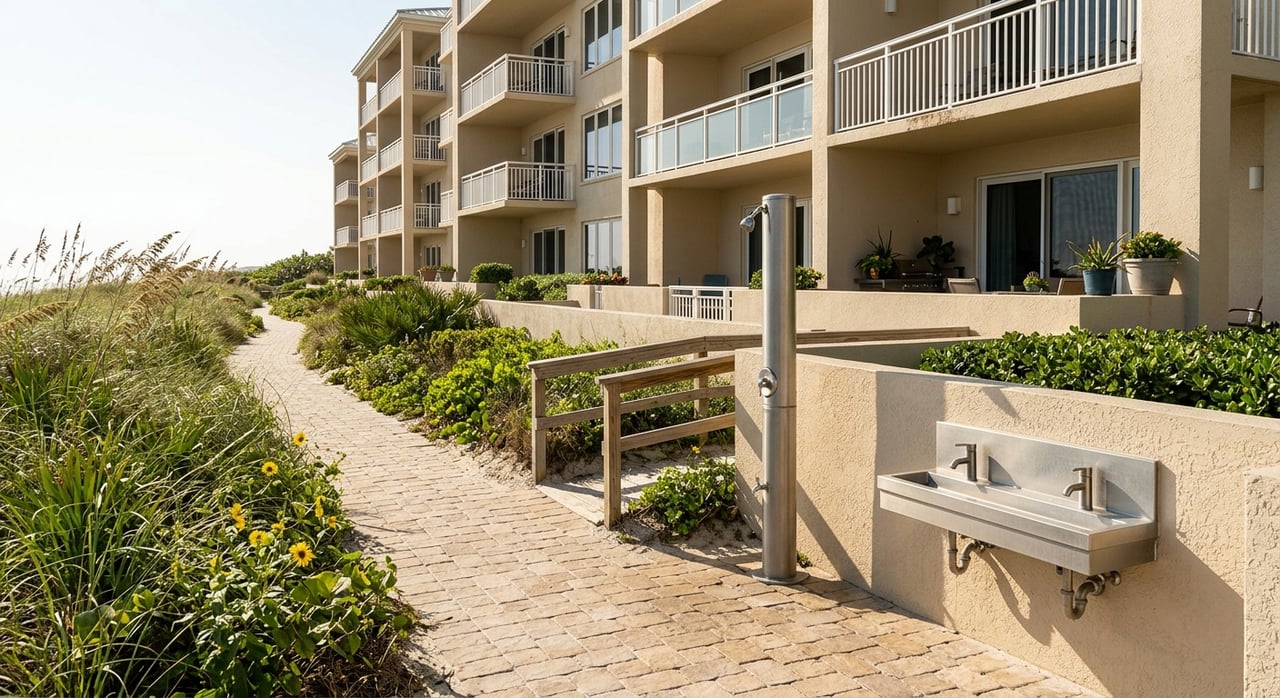
Dreaming about a place where your beach weekends are already booked the moment you close? Buying an Orange Beach condo for vacation use can be a smart way to enjoy the coast on your schedule while owning a property that may also serve a larger lifestyle or investment goal. The key is knowing that you are not just buying four walls and a view, but also a building, an owners association, and a set of local rules that shape how you can use the condo. Let’s dive in.
Why Orange Beach condos appeal
For many buyers, a condo offers a simpler path to owning a beach property. You get private use of your unit, while the association handles many shared-property responsibilities like common areas, budgets, and rules.
That setup can be especially appealing if you live out of town and want a vacation place without taking on every maintenance task yourself. At the same time, condo ownership comes with shared decision-making and ongoing costs, so it helps to go in with clear expectations.
Know what you are really buying
When you buy a condo in Orange Beach, you are also buying into a governance structure. Under Alabama law, associations may adopt rules and budgets, maintain reserves, hire managing agents, regulate common elements, and collect assessments.
That matters because your ownership experience will depend not only on the unit itself, but also on how the building is run. A beautiful condo in a poorly managed building can feel very different from a similar unit in a well-organized association.
Review the building before the unit
It is easy to fall in love with the view, the balcony, or the finishes inside the condo. Before you get too far, focus on the building-level details that can affect your costs, flexibility, and peace of mind.
Key questions include how the association maintains the property, whether reserve funds appear adequate, and whether the condo documents allow your intended mix of personal use and rental use. One building may be much more expensive to own than another because common expenses can be allocated differently under the declaration.
Check maintenance and reserves
A vacation condo works best when the building itself is cared for consistently. Deferred maintenance can lead to surprise costs, inconvenience, and future assessments.
Ask for the latest financial statements and current operating budget as part of your review. Those records can help you see whether the association is planning for ongoing upkeep and reserves, or whether monthly dues may not tell the whole story.
Read the rules carefully
Do not assume every beach condo works like a hotel-style property. Alabama law allows associations to enforce rules and even impose fines for violations after notice and an opportunity to be heard.
That means the rules matter. Before you buy, read them closely so you understand limits on things like rentals, parking, pet policies, owner use, or other building-specific restrictions that may affect how you plan to enjoy the property.
Look beyond monthly HOA dues
Monthly dues are important, but they are only one part of your carrying cost. Associations may adopt annual budgets for revenues, expenditures, and reserves, and they may impose common-expense assessments that become the owner’s personal obligation.
If assessments are not paid, the association has a lien on the unit and may foreclose in the same general manner as a mortgage, subject to certain priority rules for recent assessments. For buyers, that makes it especially important to understand both the regular dues and the broader financial health of the association.
Request the full document package
For an out-of-town buyer, the resale certificate and related condo documents are essential. Under Alabama law, the seller or association must provide key documents on request, including the declaration, bylaws, rules, regulations, and a certificate with important financial and legal details.
That certificate can include:
- The current periodic assessment amount
- Unpaid assessments or other fees
- The latest financial statements
- The current operating budget
- Any unsatisfied judgments or pending litigation
- Insurance coverage
- Any sale restrictions
- Leasehold term, if applicable
This package gives you a clearer picture of what you are stepping into before closing. It is one of the best tools for spotting issues early.
Think through rental plans early
Many buyers want the option to offset costs with occasional rental income. In Orange Beach, that plan needs careful review before you buy, because local requirements and condo-level restrictions can both affect what is possible.
Your first step is to confirm that your intended use lines up with the declaration, the building rules, and local regulations. If you are counting on short-term rental income, verify it before making an offer, not after.
Understand Orange Beach rental rules
Orange Beach requires the owner, not the management company, to hold the business license for a vacation rental. The city also states that anyone doing business in Orange Beach must have one.
The city says the current lodging tax rate is 16 percent, made up of city, state, and county lodging tax. It also states that the taxable base includes the rental rate, cleaning fee, and parking passes if applicable.
Verify zoning and building restrictions
Orange Beach defines a vacation rental as a one- or two-family residential dwelling rented for 14 consecutive days or less, and says those rentals are regulated in certain residential districts. Even with that local framework, condo buyers should still verify zoning, building rules, and the declaration before relying on short-term rental income.
In practice, that means your rental plan should pass three tests:
- The city allows the use
- The building documents allow the use
- The ownership costs still make sense for you
Remember the owner stays responsible
Some owners self-manage, while others hire a local vacation-rental manager. Either way, the owner’s compliance responsibilities do not disappear.
Orange Beach also notes that paid overflow parking is available for visitors when vacation rental properties do not have enough parking. That is a practical reminder that parking, guest logistics, and building rules can affect the guest experience and your ownership experience too.
Know the property tax classification impact
If you are deciding between pure personal use and any rental use at all, Baldwin County’s property-tax guidance adds an important detail. The county classifies a second home that is not rented as Class III, while rental property is Class II.
The county also states that if a property is rented even one day during the year, it is considered rental for the whole year. It further notes that only Class III properties are eligible for homestead exemptions, while rental property is treated as income-producing and carries a 20 percent assessment rate.
This is one of the biggest reasons to decide how you plan to use the condo before you buy. A casual plan to “maybe rent it a little” can have tax implications that deserve a closer look with your CPA.
Factor in flood and insurance questions
Coastal ownership comes with a different set of due diligence items than many inland purchases. Orange Beach says the city faces flood risk from hurricanes, storm surge, and intense rainfall, so flood review should be part of your buying process.
The city recommends checking its Interactive Floodplain Map or FEMA flood-map tools before buying. It also states that flood insurance is not included in a standard homeowner policy, that contents and building coverage are separate, and that there is a 30-day waiting period for flood insurance.
Review the HOA insurance details
For condo buyers, the association’s insurance coverage is a major part of the puzzle. Alabama’s resale-certificate rules require disclosure of insurance coverage provided for unit owners, which gives you a starting point for understanding what the HOA covers and what you may need to insure separately.
You should also ask about the building’s flood zone, elevation information, and deductible structure. Orange Beach states that it maintains elevation certificates for developments within the Special Flood Hazard Area, which can be useful in your review process.
Ask about storm re-entry and access
Practical details matter in a coastal condo, especially if you live elsewhere. Orange Beach says condo owners and HOAs obtain storm re-entry passes through their property owners’ association.
That may not be the first question you think to ask, but it can be important after a storm event. Knowing how access is handled can help you understand what ownership looks like in real-world conditions.
Plan ahead for updates and repairs
If you expect to renovate or update the condo after closing, add city permitting to your checklist. Orange Beach processes permits through its online Permit Portal for renovations, alterations, repairs, and similar work.
That means any remodeling plans should be checked against both city requirements and condo association rules. Even simple improvements can involve approval steps, so it is wise to ask questions early.
A smart condo search starts with clarity
The best Orange Beach vacation condo is not always the one with the flashiest listing photos. It is the one that fits how you actually want to use the property, what level of cost you are comfortable carrying, and what rules you can live with long term.
When you take time to review the building, the documents, the rental rules, the tax classification, and the insurance picture, you make a more confident decision. That kind of clarity is especially valuable when you are buying from out of town or balancing personal enjoyment with rental potential.
If you want a calm, informed guide as you compare Orange Beach condo options, Stacy Burgos Rodgers is here to help you sort through the details and move forward with confidence.
FAQs
What should you review before buying an Orange Beach condo for vacation use?
- You should review the declaration, bylaws, rules, resale certificate, financial statements, operating budget, insurance coverage, and any rental or sale restrictions tied to the building.
Can you rent out an Orange Beach condo for short stays?
- Possibly, but you should verify city rules, zoning, the condo declaration, and building-specific rental restrictions before assuming short-term rentals are allowed.
Does an Orange Beach vacation rental need a business license?
- Yes. Orange Beach states that the owner, not the management company, must hold the business license for a vacation rental.
How does renting affect Baldwin County property taxes?
- Baldwin County states that if a property is rented even one day during the year, it is considered rental property for the whole year, which affects its classification.
What insurance questions matter for an Orange Beach condo buyer?
- You should ask what the HOA policy covers, whether the building is in a flood-risk area, what the deductible structure looks like, and what coverage you may need for your own contents or unit-specific risks.
Can you remodel an Orange Beach condo after closing?
- Possibly, but you should check both association rules and city permitting requirements, since Orange Beach uses an online Permit Portal for renovations, alterations, repairs, and similar work.