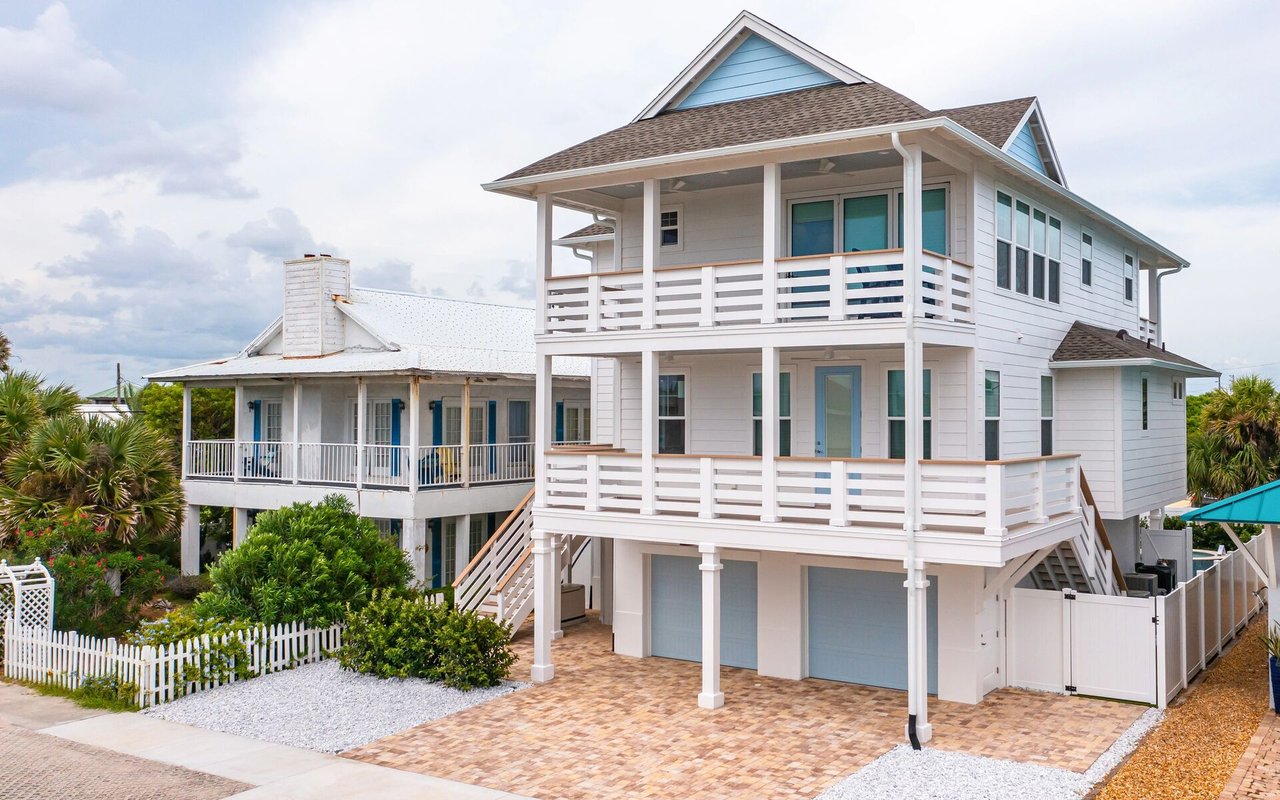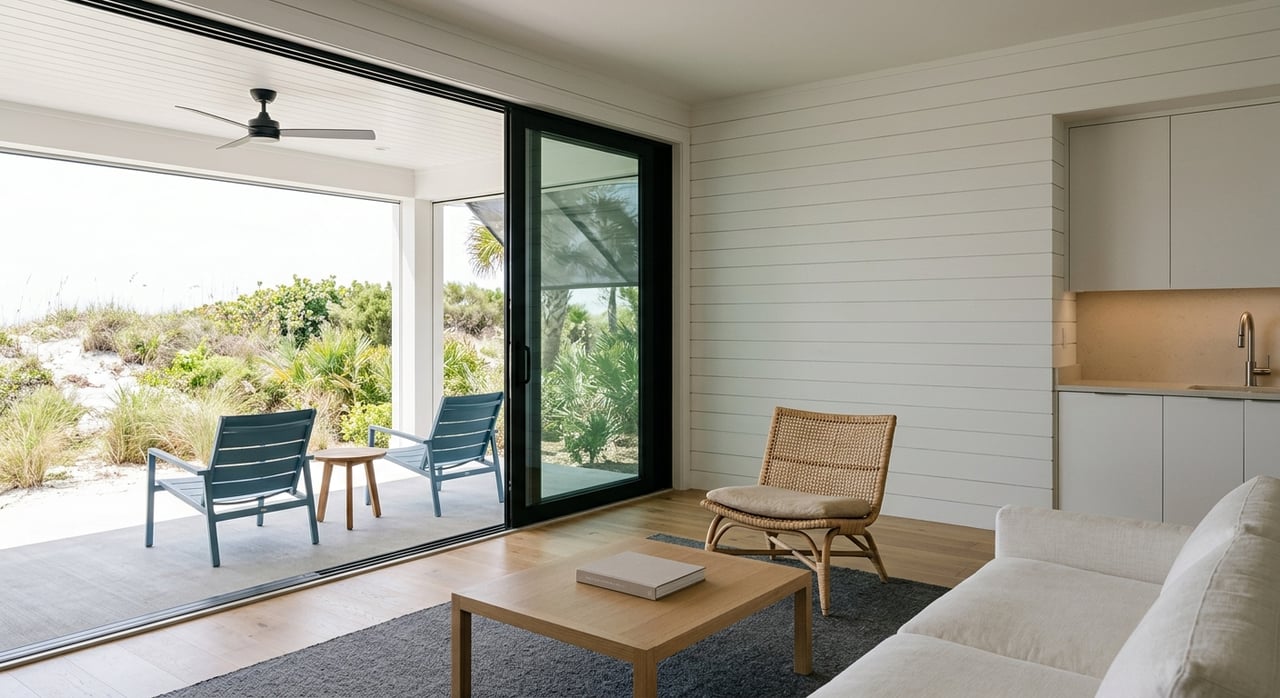
If you only know Gulf Shores as a vacation spot, you might wonder what happens when the crowds go home. The truth is, year-round life here feels more layered than many people expect. You get the beach-town setting people dream about, but you also get a real community, everyday routines, and practical rhythms that shape daily life. If you are thinking about moving full-time, this guide will help you picture what living in Gulf Shores year round is actually like. Let’s dive in.
Gulf Shores Is More Than A Vacation Town
Gulf Shores may be known for tourism, but it is also a growing residential city. The U.S. Census Bureau estimated the population at 17,431 in July 2024, up from 15,014 in the 2020 census. That growth points to a place where more people are choosing to live full-time, not just visit.
The housing mix also shows that Gulf Shores supports different kinds of living. City planning data in the 2025 approved budget lists 6,708 single-family homes, 6,898 condos, 1,528 multifamily or apartment units, and 514 other housing types like duplexes, townhomes, and mobile homes. At the same time, the city counted 5,289 seasonal, recreational, or occasional-use units, so full-time residents share the market with part-time owners and visitors.
That balance helps explain the feel of the city. You are not living in a sleepy beach outpost, but you are also not in a dense urban environment. Gulf Shores tends to feel coastal, residential, and seasonal all at once.
Daily Life Has A Coastal Rhythm
Living in Gulf Shores year round often means your day-to-day life is shaped by the outdoors. The beach is not just a once-a-year destination. It becomes part of your normal routine, whether that means a morning walk, an evening sunset, or a quick change of scenery after work.
Gulf State Park is one of the biggest anchors of local lifestyle. Alabama State Parks says the park covers 6,150 protected acres and includes nine ecosystems. Residents have access to biking, hiking, kayaking, canoeing, fishing, swimming, geocaching, and nature-focused spaces that make outdoor time easy to work into everyday life.
The city’s infrastructure supports that active pattern too. Gulf Shores has 18 miles of multi-use paths and 38.26 miles of sidewalks, according to city budget data. That makes it easier to bike or walk for exercise, errands, or a simple break from the car.
Outdoor Options Feel Built In
One of the biggest perks of full-time living here is how natural it feels to spend time outside. In many places, getting outdoors takes planning. In Gulf Shores, it is often just part of the day.
The broader area adds even more variety. Local coastal materials highlight places like Bon Secour National Wildlife Refuge and Weeks Bay Reserve, along with seasonal migratory birds and Monarch butterflies in spring and fall. If you enjoy nature, Gulf Shores offers more than just beach access.
The Pace Changes With The Seasons
One of the most important things to understand about Gulf Shores is that life here is not the same in every season. Summer brings more visitors, busier roads, and a stronger tourism pace. Cooler months usually feel less crowded, but they do not feel empty.
The city’s official annual events calendar shows programming throughout the year, including the Mardi Gras Parade, S’mores on the Shore, Independence Day fireworks, the Sunset Series, and the Winter Concert Series. These events help create a sense of local connection beyond peak vacation season. For full-time residents, that means there is still plenty happening after summer ends.
Regional tourism information also shows that winter on the Alabama Gulf Coast stays socially active. Seasonal visitors often fill their calendars with golf, fishing tournaments, fundraisers, volunteering, club meetings, art exhibits, festivals, parades, and live music. So while the energy shifts, Gulf Shores does not simply shut down in the off-season.
What Off-Season Living Really Feels Like
Many full-time residents appreciate the seasonal contrast. Warmer months can bring more activity and more traffic, while fall and winter often offer a slower pace with continued events and community life. That change in rhythm is part of what many people enjoy about living here.
If you are considering a move, it helps to think about your own lifestyle. Some people love being in the middle of the summer energy. Others prefer the calmer feel of the cooler months and enjoy having both experiences in the same place.
Weather Is A Big Part Of The Decision
Weather plays a major role in year-round life in Gulf Shores. Alabama’s Beaches describes the area as subtropical, with mild temperatures through the year, hot summers moderated by Gulf breezes, and warmer spring and fall days with cooler evenings. Monthly average temperatures range from 50.5 degrees in January to 82.8 degrees in July and August.
That climate is a major draw for many buyers, especially those relocating from colder regions. It can make outdoor living possible in more months of the year than in many inland markets. It also supports the kind of casual, coastal lifestyle that draws people to Gulf Shores in the first place.
Still, coastal weather comes with real planning needs. The area averages about 64 inches of rain per year, and NOAA notes that Atlantic hurricane season runs from June 1 through November 30. Living here full-time means storm awareness and preparation are part of responsible homeownership.
Coastal Living Means Being Prepared
For some buyers, this is not a drawback so much as part of understanding the market. Every location has tradeoffs, and Gulf Shores is no different. The key is going in with a clear picture of both the lifestyle benefits and the practical responsibilities.
Dining And Errands Feel Different Here
One everyday detail that stands out in Gulf Shores is how often dining and scenery overlap. Local restaurants are often casual, seafood-focused, and connected to the waterfront or beach environment. That gives daily life a setting that can feel more relaxed and more scenic than a typical suburban routine.
For example, Sea N Suds & Oyster Bar describes itself as directly on the beach with outside-deck dining and waterfront views, while Acme Oyster House lists outdoor dining and waterfront service. For a full-time resident, going out to eat can feel like part of the local lifestyle, not just another errand on the schedule.
At the same time, Gulf Shores remains a practical place for everyday living. Census data shows an average commute of 22.1 minutes, with 96.7% of households having a computer and 93.8% having broadband internet. Those numbers suggest the city can work well for remote workers and others who need dependable connectivity.
Who Often Enjoys Living Here Full Time
Gulf Shores can appeal to different types of buyers for different reasons. Some people are drawn to the outdoor access and coastal setting. Others are looking for a primary home that still feels like a getaway.
You may find year-round Gulf Shores living especially appealing if you want:
- A coastal setting with a real residential community
- A mix of housing options, including single-family homes, condos, and multifamily properties
- Easy access to parks, trails, and water-based recreation
- Mild winters and a socially active off-season
- A lifestyle where scenery is part of everyday routines
The city’s demographics also show an older age profile than many U.S. communities, with 25.9% of residents age 65 or older and 17.4% under age 18. That does not define who belongs here, but it does help explain why Gulf Shores is often part of the conversation for retirees, second-home owners transitioning to full-time living, and people looking for a slower coastal pace.
What To Weigh Before You Move
As appealing as Gulf Shores can be, year-round living works best when your expectations match the reality. This is a place where seasonality matters. Traffic, tourism patterns, weather awareness, and a housing market that includes both primary and occasional-use homes all shape the experience.
It also helps to think carefully about the kind of property that fits your goals. A condo, single-family home, or other property type may each support a different version of Gulf Shores living. Your ideal setup depends on how you plan to use the home, what kind of maintenance you want, and how closely you want to live to the beach, park space, or other daily destinations.
That is where local guidance can make a real difference. If you are relocating, buying your first Gulf Coast home, or deciding whether to make a part-time lifestyle permanent, it helps to have someone who can walk you through the choices clearly and calmly.
Living in Gulf Shores year round can offer a lifestyle that feels relaxed, active, and connected to the coast in a very real way. If you are exploring whether Gulf Shores is the right fit for your next move, Stacy Burgos Rodgers can help you understand your options with honest advice and a pressure-free approach.
FAQs
What is daily life like in Gulf Shores year round?
- Daily life in Gulf Shores often blends regular routines with coastal living, including beach access, outdoor recreation, local events, dining near the water, and seasonally changing activity levels.
Is Gulf Shores just a tourist town or a real residential community?
- Gulf Shores is both a tourism destination and a growing full-time community, with an estimated population of 17,431 in July 2024 and a housing mix that includes single-family homes, condos, apartments, and seasonal-use properties.
What is the weather like for full-time residents in Gulf Shores?
- Gulf Shores has a subtropical climate with mild winters, hot summers tempered by Gulf breezes, average monthly temperatures from 50.5 degrees in January to 82.8 degrees in July and August, and about 64 inches of rain per year.
Does Gulf Shores stay active in the off-season?
- Yes, Gulf Shores remains active beyond summer with city events like the Mardi Gras Parade, Sunset Series, and Winter Concert Series, along with regional winter activities such as festivals, live music, golf, and volunteering.
Is Gulf Shores a good fit for remote work or everyday commuting?
- Census data suggests it can work well for both, with a 22.1-minute average commute and high household access to computers and broadband internet.